Updated 2026 · 10 min · by NebulaTrip local experts
If you have only half a day, use Chengdu Research Base and accept that convenience brings more visitors. If you can spare a full day, Dujiangyan offers two easily confused panda destinations; Wolong Shenshuping is the mountain option and requires the most transport planning. Arriving early can improve your odds of seeing feeding and movement, but no base, season or time slot can guarantee a particular animal, cub or behaviour.
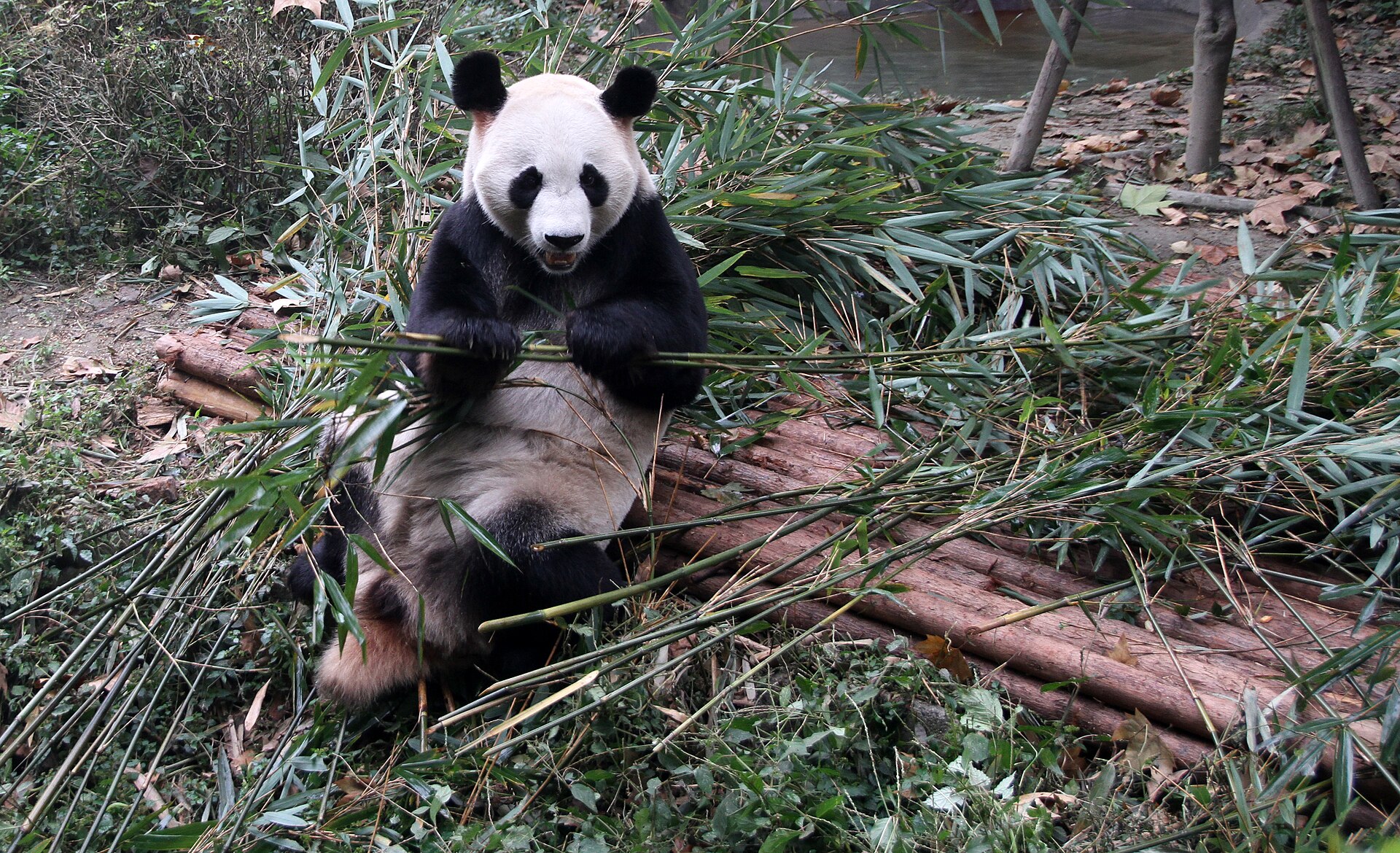
The city base is the least disruptive choice when pandas must fit around a train, flight or other Chengdu sights. It is a large landscaped campus rather than one viewing pen, so allow time to walk between enclosures and decide in advance which zones matter most. Red pandas are also present, but they are a different species and should not be described as small giant pandas.
Convenience is the trade-off. The official system divides entry into morning and afternoon sessions, and popular dates can sell out. In March–October, entry begins at 7:30; in November–February it begins at 8:00. Those are operating times, not promises that every panda will be outside. Start with the enclosures you care about instead of following the first crowd you meet, then use the indoor displays or shaded routes when animals are resting.
As of July 2026, tickets can be reserved up to 14 days ahead through official or authorized channels. The booking is real-name, and visitors must use the matching original document or designated passport lane. The published daily capacity is a safety limit, not a measure of comfort; a date below capacity can still feel busy around one visible panda.
“The Dujiangyan panda base” is not precise enough for a booking. Panda Valley is part of the Chengdu Research Base system and has its own official ticket account and entry rules. The China Giant Panda Conservation and Research Center's Dujiangyan base, also called the Dujiangyan Giant Panda Center or Chinese Giant Panda Garden in travel material, belongs to a different national organization. Their locations, tickets and visitor programs are not interchangeable.
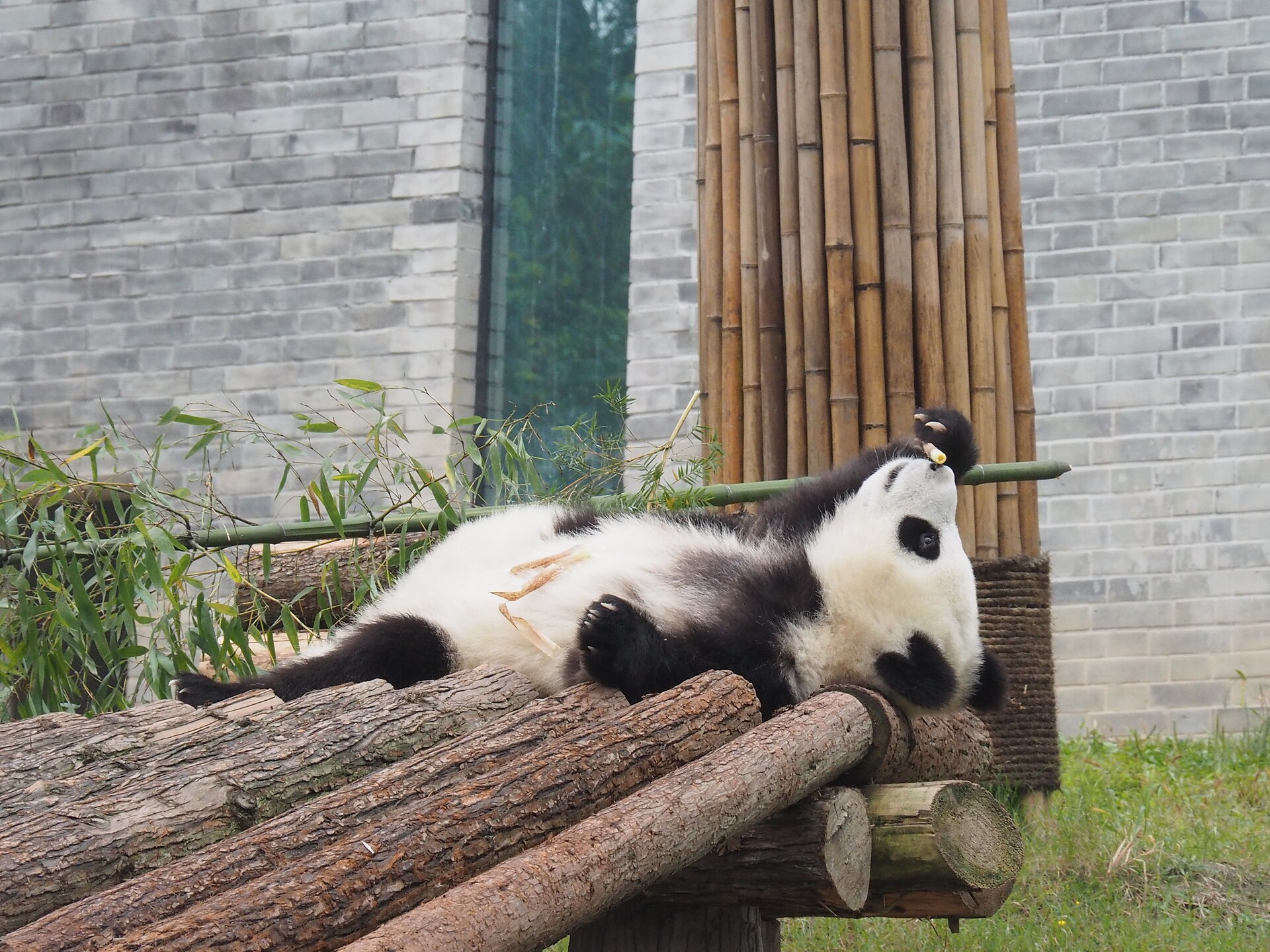
Both can turn a panda visit into a full day outside central Chengdu, especially if you also want the Dujiangyan Irrigation System. Do the transport arithmetic before combining them: “Dujiangyan” on a map does not mean the panda site and the heritage area share one entrance. A car simplifies the link; public transport demands more buffer.
Old articles frequently sell a keeper or volunteer day as a standard inclusion. No current 2026 official visitor booking page was found for the program described in the old draft, so it has been removed here. Do not pay an agent because a historical photo shows visitors preparing food. Choose the base for its setting and route, then treat any hands-on program as unavailable unless the responsible institution confirms it for your exact date.
Shenshuping is one of the four bases operated by the China Giant Panda Conservation and Research Center, alongside Hetaoping, Dujiangyan and Ya'an. That institutional detail prevents a common photo and map error: an image labelled “Wolong” may show the reserve, the older Hetaoping site or wild habitat rather than the current Shenshuping visitor setting.
Choose it because you want a mountain journey and have a full day, not because anyone can promise a more “authentic” encounter or more active pandas. The drive is longer and more exposed to mountain conditions than a city-base visit. Food, toilets and return timing should be planned before departure, and an overnight can be sensible if the panda visit is part of a wider Wolong itinerary.
A June 2026 National Forestry and Grassland Administration report confirms active conservation work at Shenshuping. It does not replace a visitor-opening notice. Heavy rain has closed the site before because of geological risk, so check the Wolong administration's current notices and road conditions immediately before travel. If access is uncertain, use Chengdu or a verified Dujiangyan site rather than forcing the day around a long drive.
A morning ticket is a sound planning choice because temperatures are often lower and fresh bamboo may coincide with feeding. It also gives you time to try another enclosure if the first animal is indoors or asleep. But giant pandas set their own rhythm. “Before 10” is not a performance schedule, and a photograph of climbing or eating does not prove when the behaviour will repeat.
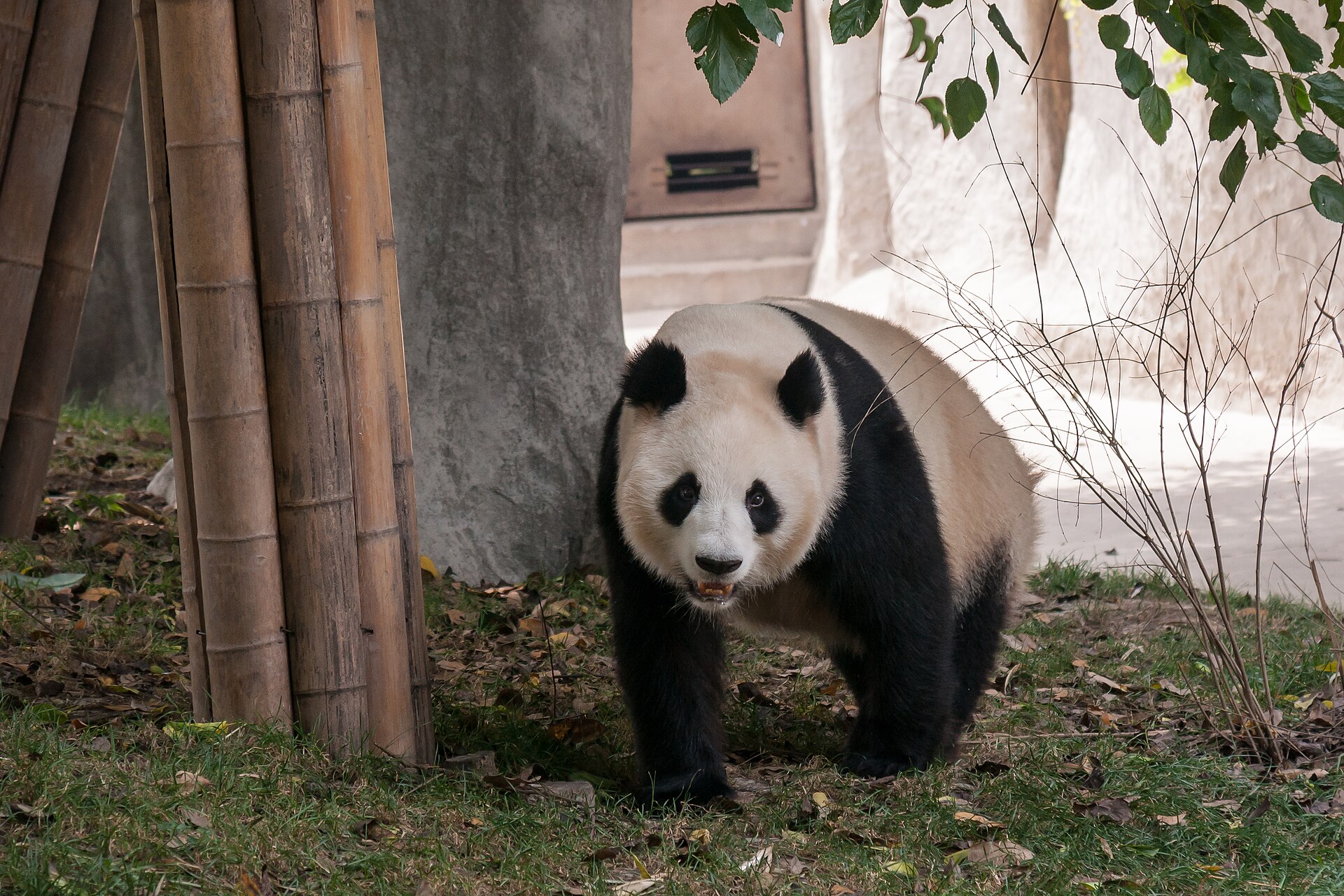
Use a simple order: enter near the start of your session, visit priority giant-panda areas first, pause instead of blocking a viewing rail, and return later if the route permits. Keep expectations broad—feeding, walking, resting and sleeping are all normal observations. Nursery viewing can change with births, animal welfare and management, so a past “cub season” report is not a current display promise.
Weather affects the visitor as much as the animals. Summer humidity makes the large Chengdu campus tiring; rain changes mountain-road risk at Wolong. Spring and autumn are often easier for walking, but they do not guarantee activity or low crowds. Weekdays outside national holidays usually reduce demand pressure, yet the booked session and exact enclosure conditions matter more than a seasonal slogan.
Match three names before paying: the institution, the base and the official sales channel. A Chengdu Research Base ticket does not admit you to Panda Valley; neither admits you to the national center's Dujiangyan or Wolong bases. Save the Chinese name and address for your driver, and keep the original passport used in the reservation.
Wear quiet, comfortable shoes and expect substantial walking. Bring water and weather protection, but follow restrictions on food and drink near animal areas. Never feed, touch, call to or tease a panda, and do not buy any product that promises physical contact. A longer camera lens is more useful than pressing against the barrier; flash, drones and equipment restrictions must follow the site's current rules.
Finally, resist overloading the day. Chengdu Base can share a day with city sights. Dujiangyan can pair with the irrigation system if transfers are planned. Wolong deserves the day to itself. Leshan is not a “nearby add-on” to a panda visit in practical scheduling terms. The better panda day has one confirmed base, one realistic transport plan and enough patience for animals that may choose to sleep.
Private & flexible · English-speaking guide · real-time online booking.

Tell our local experts what you'd like to see and we'll design a private, tailor-made itinerary with English-speaking guides — free plan & quote, no obligation.